

Dihexa
$35.00
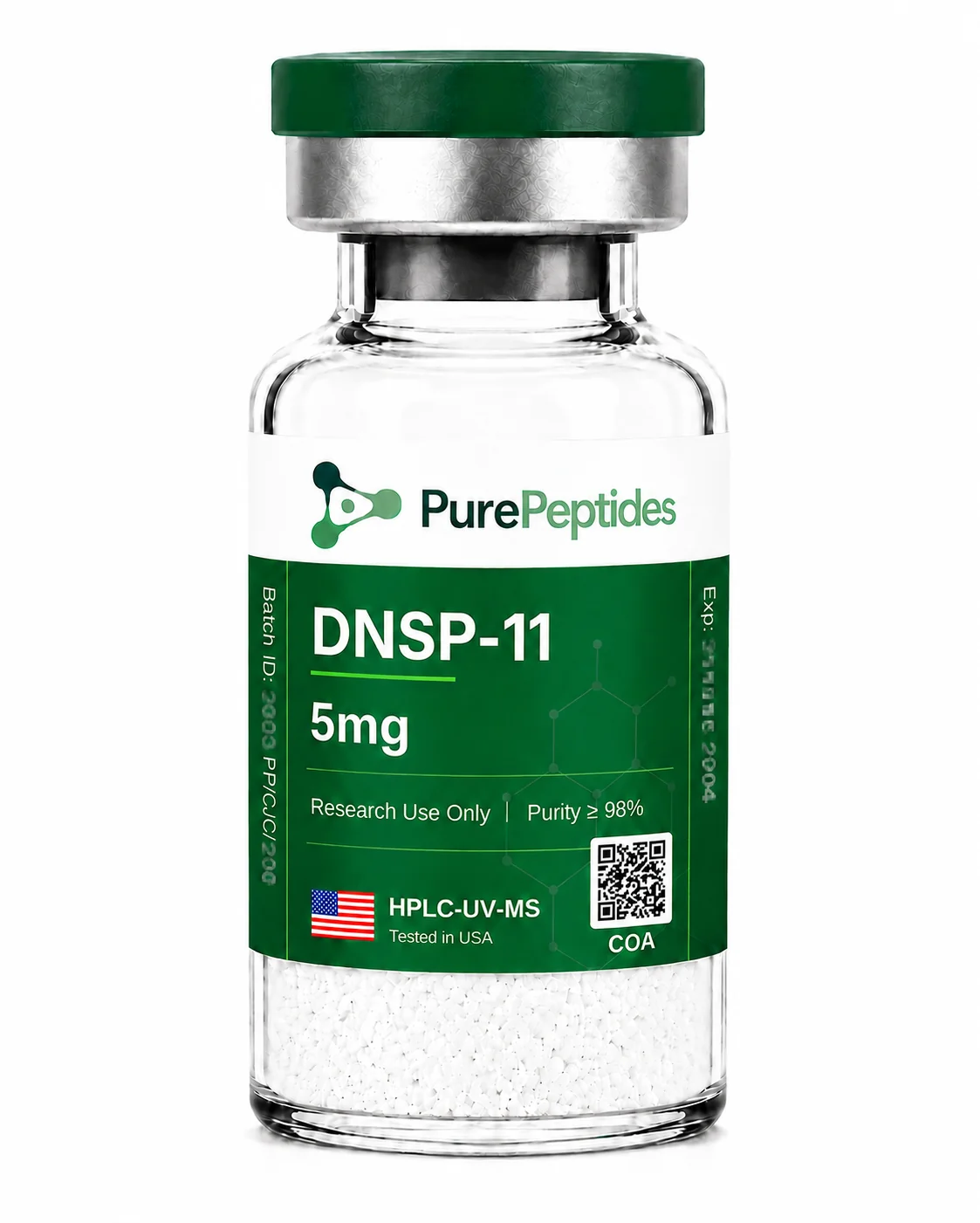
Supplied as a lyophilised powder and independently verified to ≥98% purity by HPLC and MS-UPLC analysis.
1000 in stock
🔥 Exclusive Crypto Offer
Get an INSTANT 15% DISCOUNT when you pay with Bitcoin, Ethereum, Dogecoin, Bitcoin Cash, XRP, Solana, or USDT.
⚡ Don't have crypto? Buy it here in 5 minutes with easy guidance.
💡 Pro Tip: You can also pay with cryptocurrency using your verified Cash App or PayPal account for a fast and secure checkout!
What is Dihexa?
Dihexa is a small synthetic compound based on a fragment of angiotensin IV. It is studied in animal research for its effects on memory and learning and on the connections between brain cells.
- Based on angiotensin IV, and small enough to reach the brain readily in animal models
- Studied in animal research for its effects on memory and learning
- Investigated in rodent studies for its effects on the connections (synapses) between brain cells
- Studied in animal models of age-related decline in brain-cell connections
For research use only. Not approved for human therapeutic use.
Dihexa (CAS 1401708-83-5), also known as PNB-0408 and formally designated N-hexanoic-Tyr-Ile-(6) aminohexanoic amide, is a synthetic oligopeptide with the molecular formula C27H44N4O5 and a molecular weight of 504.66 g/mol. Structurally, Dihexa consists of a dipeptide core of L-tyrosine and L-isoleucine, with an N-terminal hexanoyl (C6 fatty acid) cap and a C-terminal 6-aminohexanoic amide extension. These terminal modifications increase lipophilicity, metabolic stability, and resistance to both aminopeptidase and carboxypeptidase degradation, and were rationally designed based on the structure of angiotensin IV, the endogenous hexapeptide ligand of the AT4 receptor. Produced via solid-phase peptide synthesis, PNB-0408 is associated with hepatocyte growth factor (HGF)/c-Met receptor signalling.
Dihexa is a metabolically stabilised angiotensin IV analogue with a mechanism of action centred on the HGF/c-Met signalling axis. Published research from the originating laboratory has characterised Dihexa as a binder of HGF reported to potentiate HGF activity at the c-Met receptor. In vitro studies in cultured hippocampal neurons have shown that HGF/c-Met signalling drives dendritic maturation and dendrite elongation through Akt/GSK-3β pathway activation, consistent with a broader role for this pathway in neuronal structural plasticity [1]. In vivo rodent studies have examined Dihexa in scopolamine-induced and age-related cognitive deficit models, with published research documenting that orally administered metabolically stabilised angiotensin IV analogues including Dihexa reverse scopolamine-induced deficits in spatial learning and restored spatial-learning measures in aged rodents, characterising the compound as active following systemic administration in rodent models [2], making Dihexa a key reference compound in neuroscience research examining angiotensin-IV-derived peptide modulation of HGF/c-Met signalling and hippocampal neuroplasticity in preclinical models.
Dihexa is produced to research-grade standards and independently verified by third-party HPLC and MS-UPLC analysis before dispatch. Vials are vacuum sealed and stored in a temperature controlled, monitored cold storage system. Certificates of Analysis are available on request.
Sold strictly for in vitro research purposes only. Not for human consumption. Intended for use by qualified researchers in laboratory settings only.
References
1Lim CS, Walikonis RS. Hepatocyte growth factor and c-Met promote dendritic maturation during hippocampal neuron differentiation via the Akt pathway. Cell Signal. 2008 May;20(5):825–35. ; PubMed Central PMCID: PMC2302788.PubMed PMID: 182623892McCoy AT, Benoist CC, Wright JW, Kawas LH, Bule-Ghogare JM, Zhu M, et al. Evaluation of metabolically stabilized angiotensin IV analogs as procognitive/antidementia agents. J Pharmacol Exp Ther. 2013 Jan;344(1):141–54. ; PubMed Central PMCID: PMC3533412.PubMed PMID: 23055539
Scientific Review

Dr. Martina Rossi, PhD
Scientific Contributor and Reviewer
Reviewed for scientific accuracy, 14 June 2026
View credentials →
Dihexa (CAS 1401708-83-5), also known as PNB-0408 and formally designated N-hexanoic-Tyr-Ile-(6) aminohexanoic amide, is a synthetic oligopeptide with the molecular formula C27H44N4O5 and a molecular weight of 504.66 g/mol. Structurally, Dihexa consists of a dipeptide core of L-tyrosine and L-isoleucine, with an N-terminal hexanoyl (C6 fatty acid) cap and a C-terminal 6-aminohexanoic amide extension. These terminal modifications increase lipophilicity, metabolic stability, and resistance to both aminopeptidase and carboxypeptidase degradation, and were rationally designed based on the structure of angiotensin IV, the endogenous hexapeptide ligand of the AT4 receptor. Produced via solid-phase peptide synthesis, PNB-0408 is associated with hepatocyte growth factor (HGF)/c-Met receptor signalling.
Dihexa is a metabolically stabilised angiotensin IV analogue with a mechanism of action centred on the HGF/c-Met signalling axis. Published research from the originating laboratory has characterised Dihexa as a binder of HGF reported to potentiate HGF activity at the c-Met receptor. In vitro studies in cultured hippocampal neurons have shown that HGF/c-Met signalling drives dendritic maturation and dendrite elongation through Akt/GSK-3β pathway activation, consistent with a broader role for this pathway in neuronal structural plasticity [1]. In vivo rodent studies have examined Dihexa in scopolamine-induced and age-related cognitive deficit models, with published research documenting that orally administered metabolically stabilised angiotensin IV analogues including Dihexa reverse scopolamine-induced deficits in spatial learning and restored spatial-learning measures in aged rodents, characterising the compound as active following systemic administration in rodent models [2], making Dihexa a key reference compound in neuroscience research examining angiotensin-IV-derived peptide modulation of HGF/c-Met signalling and hippocampal neuroplasticity in preclinical models.
Dihexa is produced to research-grade standards and independently verified by third-party HPLC and MS-UPLC analysis before dispatch. Vials are vacuum sealed and stored in a temperature controlled, monitored cold storage system. Certificates of Analysis are available on request.
Sold strictly for in vitro research purposes only. Not for human consumption. Intended for use by qualified researchers in laboratory settings only.
References
1Lim CS, Walikonis RS. Hepatocyte growth factor and c-Met promote dendritic maturation during hippocampal neuron differentiation via the Akt pathway. Cell Signal. 2008 May;20(5):825–35. ; PubMed Central PMCID: PMC2302788.PubMed PMID: 182623892McCoy AT, Benoist CC, Wright JW, Kawas LH, Bule-Ghogare JM, Zhu M, et al. Evaluation of metabolically stabilized angiotensin IV analogs as procognitive/antidementia agents. J Pharmacol Exp Ther. 2013 Jan;344(1):141–54. ; PubMed Central PMCID: PMC3533412.PubMed PMID: 23055539
Scientific Review
Dr. Martina Rossi, PhD
Scientific Contributor and Reviewer
Reviewed for scientific accuracy, 14 June 2026
View credentials →CAS Number1401708-83-5Molecular Weight504.67 g/molPurity≥98%Physical FormLyophilised PowderManufacturingManufactured in an ISO9001 Certified LaboratoryTestingHPLC + MS-UPLCSKUDIH
Lyophilised powder: store at -20 °C or below, away from light and moisture. Once reconstituted in an appropriate laboratory diluent (e.g. sterile water, PBS, or assay buffer), store at 2–8 °C and use within the validated period for your protocol. Do not refreeze.
Dihexa (CAS 1401708-83-5), also known as PNB-0408 and formally designated N-hexanoic-Tyr-Ile-(6) aminohexanoic amide, is a synthetic oligopeptide with the molecular formula C27H44N4O5 and a molecular weight of 504.66 g/mol. Structurally, Dihexa consists of a dipeptide core of L-tyrosine and L-isoleucine, with an N-terminal hexanoyl (C6 fatty acid) cap and a C-terminal 6-aminohexanoic amide extension. These terminal modifications increase lipophilicity, metabolic stability, and resistance to both aminopeptidase and carboxypeptidase degradation, and were rationally designed based on the structure of angiotensin IV, the endogenous hexapeptide ligand of the AT4 receptor. Produced via solid-phase peptide synthesis, PNB-0408 is associated with hepatocyte growth factor (HGF)/c-Met receptor signalling.
Dihexa is a metabolically stabilised angiotensin IV analogue with a mechanism of action centred on the HGF/c-Met signalling axis. Published research from the originating laboratory has characterised Dihexa as a binder of HGF reported to potentiate HGF activity at the c-Met receptor. In vitro studies in cultured hippocampal neurons have shown that HGF/c-Met signalling drives dendritic maturation and dendrite elongation through Akt/GSK-3β pathway activation, consistent with a broader role for this pathway in neuronal structural plasticity [1]. In vivo rodent studies have examined Dihexa in scopolamine-induced and age-related cognitive deficit models, with published research documenting that orally administered metabolically stabilised angiotensin IV analogues including Dihexa reverse scopolamine-induced deficits in spatial learning and restored spatial-learning measures in aged rodents, characterising the compound as active following systemic administration in rodent models [2], making Dihexa a key reference compound in neuroscience research examining angiotensin-IV-derived peptide modulation of HGF/c-Met signalling and hippocampal neuroplasticity in preclinical models.
Dihexa is produced to research-grade standards and independently verified by third-party HPLC and MS-UPLC analysis before dispatch. Vials are vacuum sealed and stored in a temperature controlled, monitored cold storage system. Certificates of Analysis are available on request.
Sold strictly for in vitro research purposes only. Not for human consumption. Intended for use by qualified researchers in laboratory settings only.
References
1Lim CS, Walikonis RS. Hepatocyte growth factor and c-Met promote dendritic maturation during hippocampal neuron differentiation via the Akt pathway. Cell Signal. 2008 May;20(5):825–35. ; PubMed Central PMCID: PMC2302788.PubMed PMID: 182623892McCoy AT, Benoist CC, Wright JW, Kawas LH, Bule-Ghogare JM, Zhu M, et al. Evaluation of metabolically stabilized angiotensin IV analogs as procognitive/antidementia agents. J Pharmacol Exp Ther. 2013 Jan;344(1):141–54. ; PubMed Central PMCID: PMC3533412.PubMed PMID: 23055539
Scientific Review
Dr. Martina Rossi, PhD
Scientific Contributor and Reviewer
Reviewed for scientific accuracy, 14 June 2026
View credentials →CAS Number1401708-83-5Molecular Weight504.67 g/molPurity≥98%Physical FormLyophilised PowderManufacturingManufactured in an ISO9001 Certified LaboratoryTestingHPLC + MS-UPLCSKUDIH
Lyophilised powder: store at -20 °C or below, away from light and moisture. Once reconstituted in an appropriate laboratory diluent (e.g. sterile water, PBS, or assay buffer), store at 2–8 °C and use within the validated period for your protocol. Do not refreeze.
Related products

Cognitive & Neuropeptide Research
Cognitive & Neuropeptide Research
Cognitive & Neuropeptide Research

Cognitive & Neuropeptide Research

Cognitive & Neuropeptide Research
Cognitive & Neuropeptide Research
Cognitive & Neuropeptide Research
Cognitive & Neuropeptide Research