
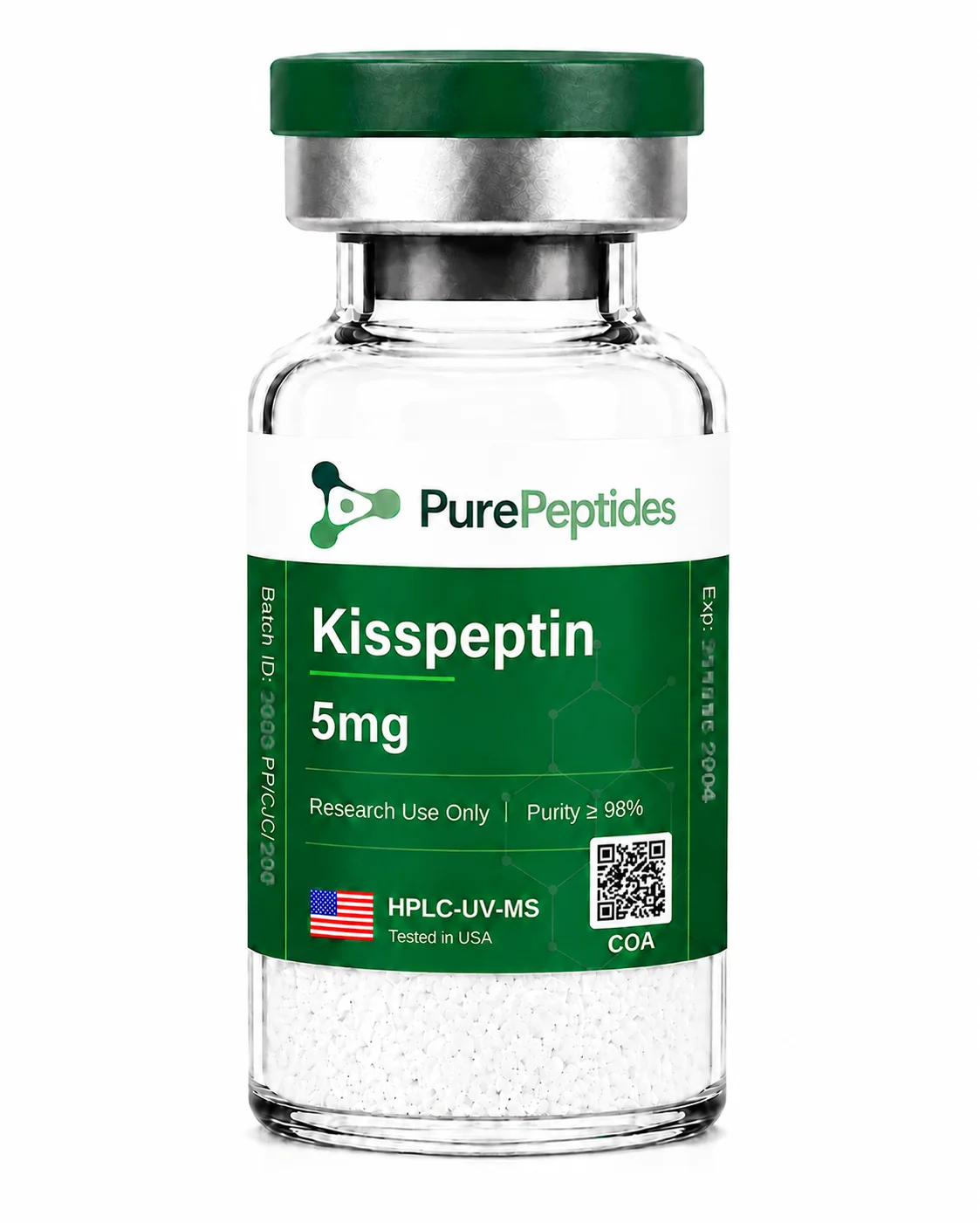
Kisspeptin
$57.00
Supplied as a lyophilised powder and independently verified to ≥98% purity by HPLC and MS-UPLC analysis.
1000 in stock
🔥 Exclusive Crypto Offer
Get an INSTANT 15% DISCOUNT when you pay with Bitcoin, Ethereum, Dogecoin, Bitcoin Cash, XRP, Solana, or USDT.
⚡ Don't have crypto? Buy it here in 5 minutes with easy guidance.
💡 Pro Tip: You can also pay with cryptocurrency using your verified Cash App or PayPal account for a fast and secure checkout!
What is Kisspeptin?
Kisspeptin-10 is a 10-amino-acid piece of a larger natural peptide that acts as a master switch for the body’s reproductive-hormone system. It is studied in animal research for its effects on the brain signals that control reproductive hormones.
- A 10-amino-acid fragment of the natural kisspeptin-54 peptide
- Acts on GPR54 receptors on the brain neurons that control reproductive hormones
- Studied in animal research on the brain-pituitary-gonad hormone system
- Investigated for how it regulates the reproductive-hormone cascade
For research use only. Not approved for human therapeutic use.
Kisspeptin (CAS 374683-28-0), also referred to as Kisspeptin-10 or Metastin (45-54), is a synthetic decapeptide with the molecular formula C63H83N17O14 and a molecular weight of 1302.45 g/mol. Defined by the amino acid sequence Tyr-Asn-Trp-Asn-Ser-Phe-Gly-Leu-Arg-Phe-NH2, Kisspeptin-10 corresponds to the C-terminal 10-amino acid fragment of the full-length 54-amino acid kisspeptin (Metastin), the minimal sequence required for receptor activation. The C-terminal Arg-Phe-NH2 amidated motif is considered critical to its binding at the kisspeptin receptor, GPR54 (also designated KISS1R). Produced via solid-phase peptide synthesis.
Kisspeptin-10 has been extensively investigated as a key research compound in the study of the hypothalamic-pituitary-gonadal (HPG) axis, where the KISS1/GPR54 signalling system has been characterised in published research as a critical upstream regulator of gonadotropin-releasing hormone (GnRH) neuron activity. In vitro studies in GPR54-expressing cell-based preparations have examined Kisspeptin-10 binding at GPR54/KISS1R and downstream Gq/11-coupled signalling, documenting phospholipase C activation and intracellular calcium mobilisation as primary readouts of kisspeptin-10-mediated receptor engagement and characterising the C-terminal decapeptide as a high-affinity ligand sufficient for Gq/11 activation in transfected cell preparations [1]. In vivo rodent studies have investigated the neuroendocrine consequences of central and peripheral Kisspeptin-10 administration, documenting LH and testosterone secretion responses following both central and peripheral kisspeptin-10 administration in rats and characterising kisspeptin-10 as a potent activator of the hypothalamic-pituitary-gonadal axis under controlled experimental conditions [2], making Kisspeptin-10 a key reference compound in HPG axis research examining GPR54/KISS1R-mediated neuroendocrine regulation of gonadotropin secretion.
Kisspeptin is produced to research-grade standards and independently verified by third-party HPLC and MS-UPLC analysis before dispatch. Vials are vacuum sealed and stored in a temperature controlled, monitored cold storage system. Certificates of Analysis are available on request.
Sold strictly for in vitro research purposes only. Not for human consumption. Intended for use by qualified researchers in laboratory settings only.
References
1Kotani M, Detheux M, Vandenbogaerde A, Communi D, Vanderwinden JM, Le Poul E, et al. The metastasis suppressor gene KiSS-1 encodes kisspeptins, the natural ligands of the orphan G protein-coupled receptor GPR54. J Biol Chem. 2001 Sep 14;276(37):34631–6. .PubMed PMID: 114578432Thompson EL, Patterson M, Murphy KG, Smith KL, Dhillo WS, Todd JF, et al. Central and peripheral administration of kisspeptin-10 stimulates the hypothalamic-pituitary-gonadal axis. J Neuroendocrinol. 2004 Oct;16(10):850–8. .PubMed PMID: 15500545
Scientific Review

Dr. Martina Rossi, PhD
Scientific Contributor and Reviewer
Reviewed for scientific accuracy, 14 June 2026
View credentials →
Kisspeptin (CAS 374683-28-0), also referred to as Kisspeptin-10 or Metastin (45-54), is a synthetic decapeptide with the molecular formula C63H83N17O14 and a molecular weight of 1302.45 g/mol. Defined by the amino acid sequence Tyr-Asn-Trp-Asn-Ser-Phe-Gly-Leu-Arg-Phe-NH2, Kisspeptin-10 corresponds to the C-terminal 10-amino acid fragment of the full-length 54-amino acid kisspeptin (Metastin), the minimal sequence required for receptor activation. The C-terminal Arg-Phe-NH2 amidated motif is considered critical to its binding at the kisspeptin receptor, GPR54 (also designated KISS1R). Produced via solid-phase peptide synthesis.
Kisspeptin-10 has been extensively investigated as a key research compound in the study of the hypothalamic-pituitary-gonadal (HPG) axis, where the KISS1/GPR54 signalling system has been characterised in published research as a critical upstream regulator of gonadotropin-releasing hormone (GnRH) neuron activity. In vitro studies in GPR54-expressing cell-based preparations have examined Kisspeptin-10 binding at GPR54/KISS1R and downstream Gq/11-coupled signalling, documenting phospholipase C activation and intracellular calcium mobilisation as primary readouts of kisspeptin-10-mediated receptor engagement and characterising the C-terminal decapeptide as a high-affinity ligand sufficient for Gq/11 activation in transfected cell preparations [1]. In vivo rodent studies have investigated the neuroendocrine consequences of central and peripheral Kisspeptin-10 administration, documenting LH and testosterone secretion responses following both central and peripheral kisspeptin-10 administration in rats and characterising kisspeptin-10 as a potent activator of the hypothalamic-pituitary-gonadal axis under controlled experimental conditions [2], making Kisspeptin-10 a key reference compound in HPG axis research examining GPR54/KISS1R-mediated neuroendocrine regulation of gonadotropin secretion.
Kisspeptin is produced to research-grade standards and independently verified by third-party HPLC and MS-UPLC analysis before dispatch. Vials are vacuum sealed and stored in a temperature controlled, monitored cold storage system. Certificates of Analysis are available on request.
Sold strictly for in vitro research purposes only. Not for human consumption. Intended for use by qualified researchers in laboratory settings only.
References
1Kotani M, Detheux M, Vandenbogaerde A, Communi D, Vanderwinden JM, Le Poul E, et al. The metastasis suppressor gene KiSS-1 encodes kisspeptins, the natural ligands of the orphan G protein-coupled receptor GPR54. J Biol Chem. 2001 Sep 14;276(37):34631–6. .PubMed PMID: 114578432Thompson EL, Patterson M, Murphy KG, Smith KL, Dhillo WS, Todd JF, et al. Central and peripheral administration of kisspeptin-10 stimulates the hypothalamic-pituitary-gonadal axis. J Neuroendocrinol. 2004 Oct;16(10):850–8. .PubMed PMID: 15500545
Scientific Review
Dr. Martina Rossi, PhD
Scientific Contributor and Reviewer
Reviewed for scientific accuracy, 14 June 2026
View credentials →CAS Number374683-17-7Molecular Weight1,302.44 g/molPurity≥98%Physical FormLyophilised PowderManufacturingManufactured in an ISO9001 Certified LaboratoryTestingHPLC + MS-UPLCSKUKISS10
Lyophilised powder: store at -20 °C or below, away from light and moisture. Once reconstituted in an appropriate laboratory diluent (e.g. sterile water, PBS, or assay buffer), store at 2–8 °C and use within the validated period for your protocol. Do not refreeze.
Kisspeptin (CAS 374683-28-0), also referred to as Kisspeptin-10 or Metastin (45-54), is a synthetic decapeptide with the molecular formula C63H83N17O14 and a molecular weight of 1302.45 g/mol. Defined by the amino acid sequence Tyr-Asn-Trp-Asn-Ser-Phe-Gly-Leu-Arg-Phe-NH2, Kisspeptin-10 corresponds to the C-terminal 10-amino acid fragment of the full-length 54-amino acid kisspeptin (Metastin), the minimal sequence required for receptor activation. The C-terminal Arg-Phe-NH2 amidated motif is considered critical to its binding at the kisspeptin receptor, GPR54 (also designated KISS1R). Produced via solid-phase peptide synthesis.
Kisspeptin-10 has been extensively investigated as a key research compound in the study of the hypothalamic-pituitary-gonadal (HPG) axis, where the KISS1/GPR54 signalling system has been characterised in published research as a critical upstream regulator of gonadotropin-releasing hormone (GnRH) neuron activity. In vitro studies in GPR54-expressing cell-based preparations have examined Kisspeptin-10 binding at GPR54/KISS1R and downstream Gq/11-coupled signalling, documenting phospholipase C activation and intracellular calcium mobilisation as primary readouts of kisspeptin-10-mediated receptor engagement and characterising the C-terminal decapeptide as a high-affinity ligand sufficient for Gq/11 activation in transfected cell preparations [1]. In vivo rodent studies have investigated the neuroendocrine consequences of central and peripheral Kisspeptin-10 administration, documenting LH and testosterone secretion responses following both central and peripheral kisspeptin-10 administration in rats and characterising kisspeptin-10 as a potent activator of the hypothalamic-pituitary-gonadal axis under controlled experimental conditions [2], making Kisspeptin-10 a key reference compound in HPG axis research examining GPR54/KISS1R-mediated neuroendocrine regulation of gonadotropin secretion.
Kisspeptin is produced to research-grade standards and independently verified by third-party HPLC and MS-UPLC analysis before dispatch. Vials are vacuum sealed and stored in a temperature controlled, monitored cold storage system. Certificates of Analysis are available on request.
Sold strictly for in vitro research purposes only. Not for human consumption. Intended for use by qualified researchers in laboratory settings only.
References
1Kotani M, Detheux M, Vandenbogaerde A, Communi D, Vanderwinden JM, Le Poul E, et al. The metastasis suppressor gene KiSS-1 encodes kisspeptins, the natural ligands of the orphan G protein-coupled receptor GPR54. J Biol Chem. 2001 Sep 14;276(37):34631–6. .PubMed PMID: 114578432Thompson EL, Patterson M, Murphy KG, Smith KL, Dhillo WS, Todd JF, et al. Central and peripheral administration of kisspeptin-10 stimulates the hypothalamic-pituitary-gonadal axis. J Neuroendocrinol. 2004 Oct;16(10):850–8. .PubMed PMID: 15500545
Scientific Review
Dr. Martina Rossi, PhD
Scientific Contributor and Reviewer
Reviewed for scientific accuracy, 14 June 2026
View credentials →CAS Number374683-17-7Molecular Weight1,302.44 g/molPurity≥98%Physical FormLyophilised PowderManufacturingManufactured in an ISO9001 Certified LaboratoryTestingHPLC + MS-UPLCSKUKISS10
Lyophilised powder: store at -20 °C or below, away from light and moisture. Once reconstituted in an appropriate laboratory diluent (e.g. sterile water, PBS, or assay buffer), store at 2–8 °C and use within the validated period for your protocol. Do not refreeze.
Related products

Regeneration Research
Regeneration Research
Regeneration Research
Regeneration Research
Regeneration Research
Regeneration Research
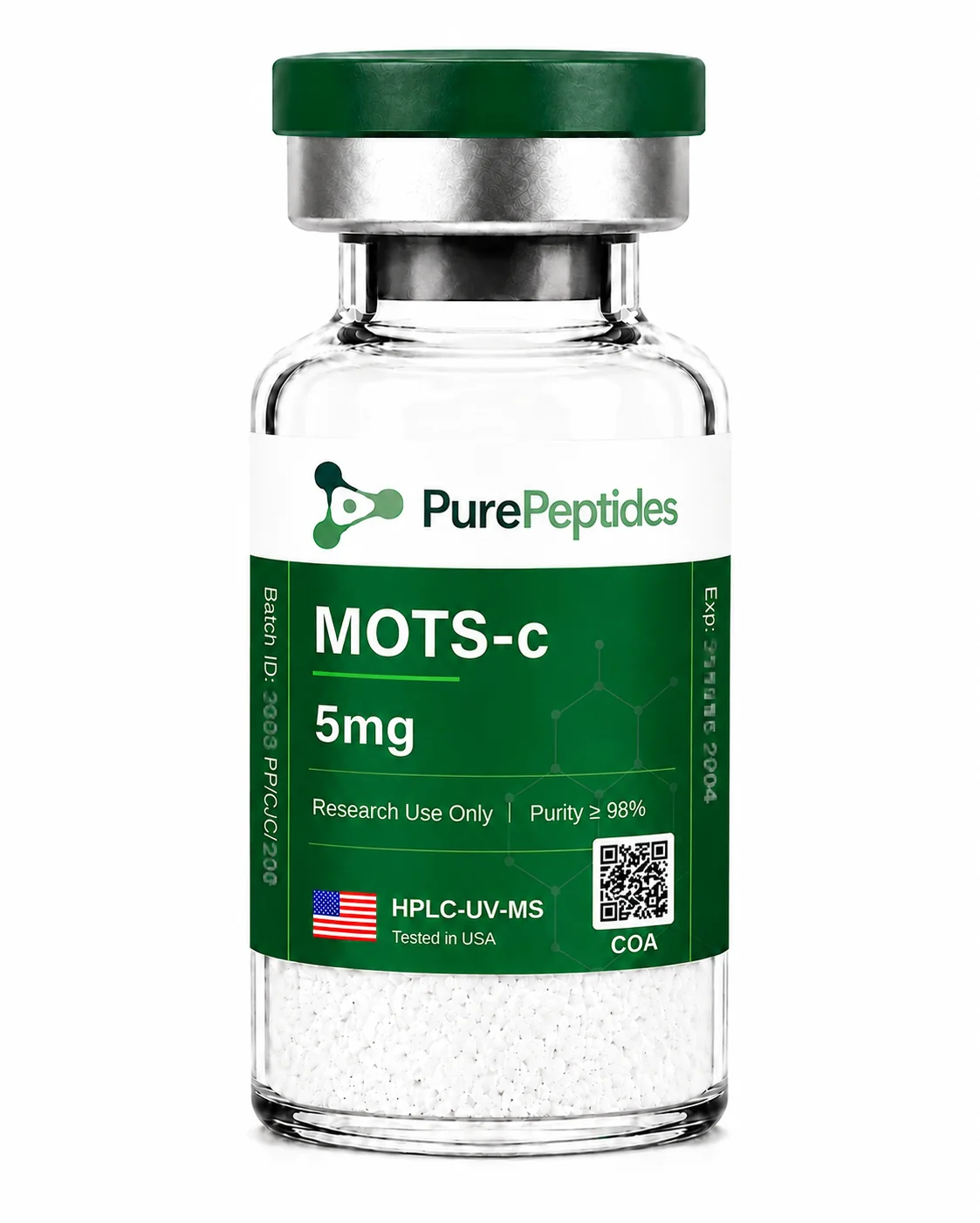
Regeneration Research
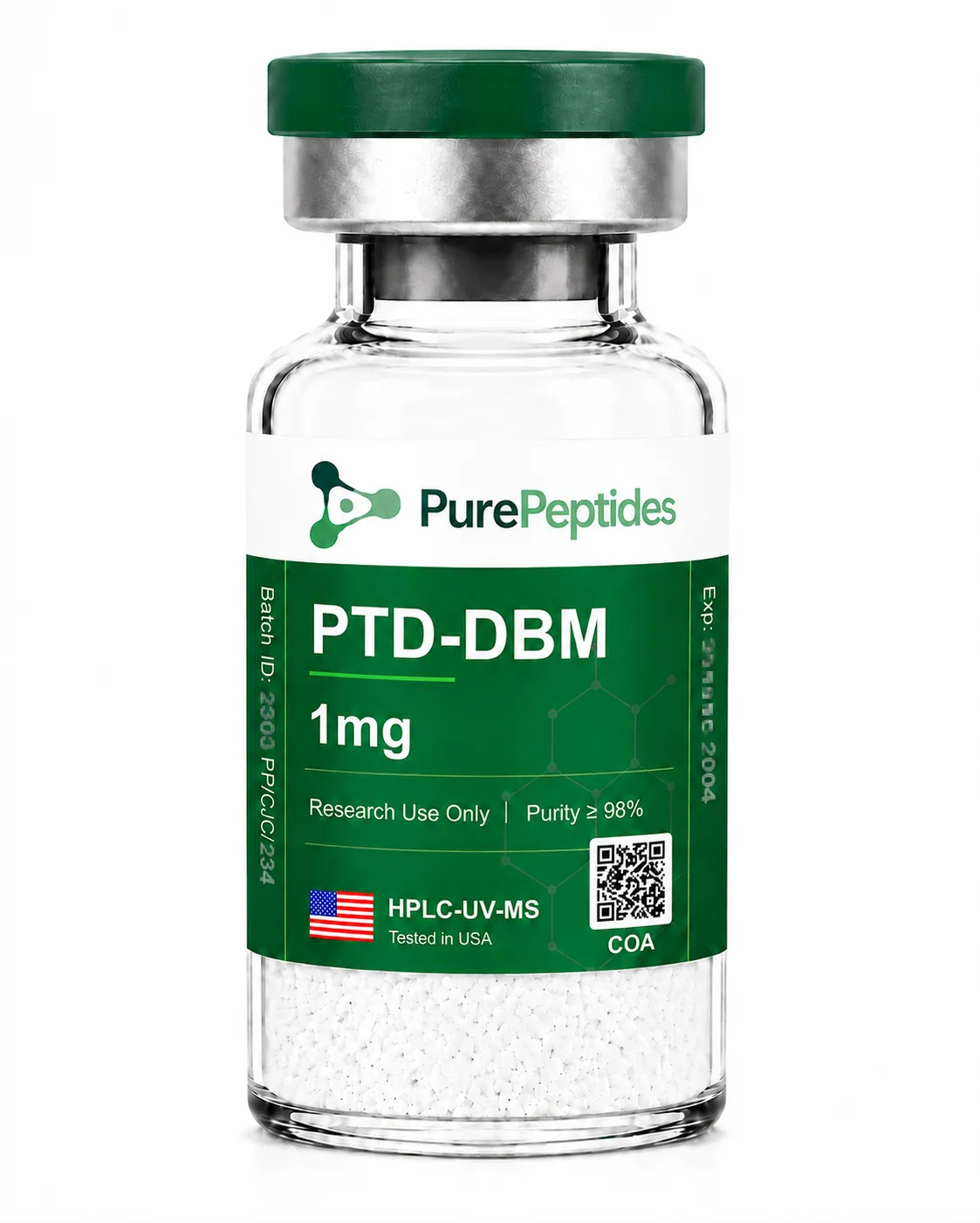
Regeneration Research