

Thymalin
$65.00
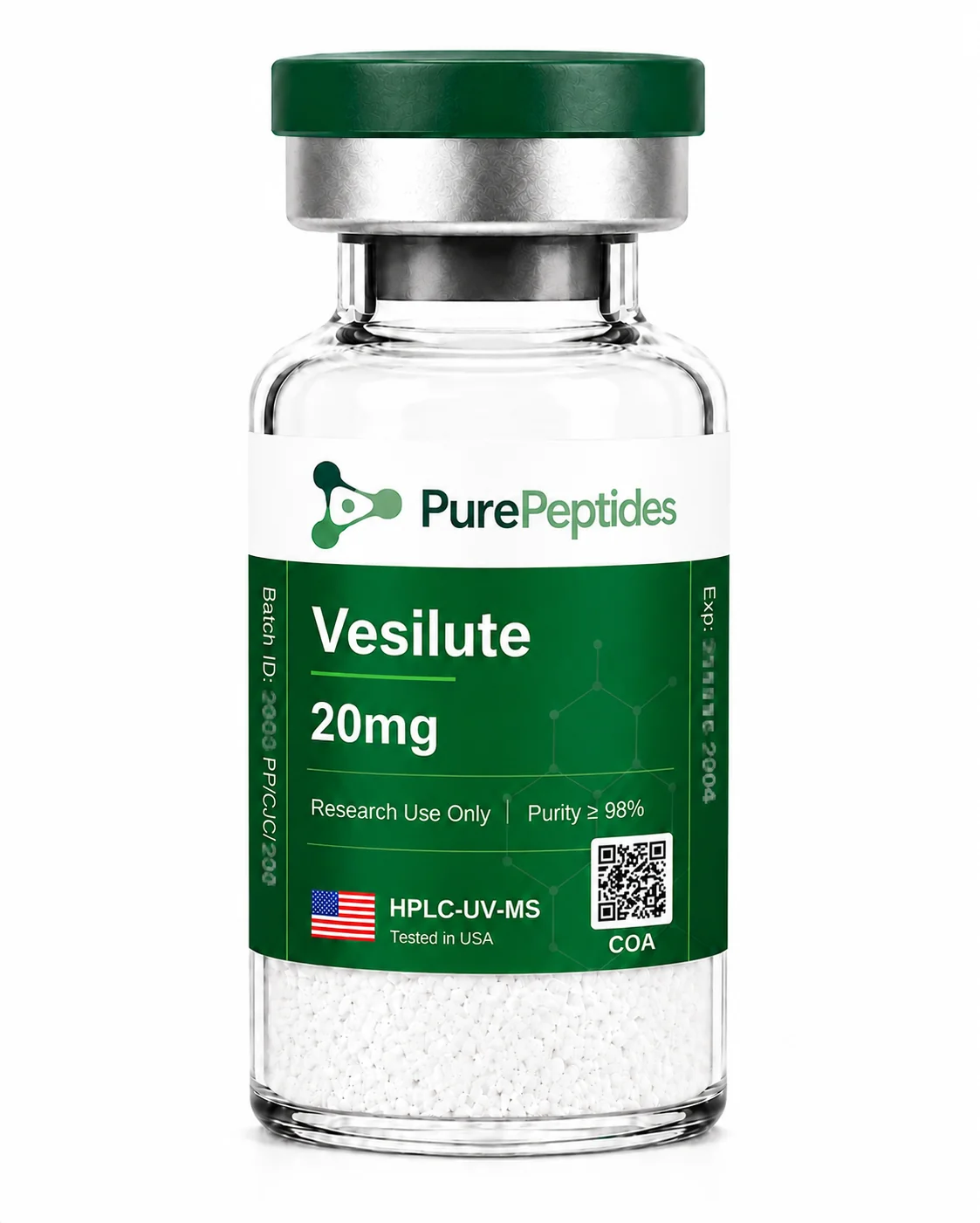
Supplied as a lyophilised powder and independently verified to ≥98% purity by HPLC and MS-UPLC analysis.
1000 in stock
🔥 Exclusive Crypto Offer
Get an INSTANT 15% DISCOUNT when you pay with Bitcoin, Ethereum, Dogecoin, Bitcoin Cash, XRP, Solana, or USDT.
⚡ Don't have crypto? Buy it here in 5 minutes with easy guidance.
💡 Pro Tip: You can also pay with cryptocurrency using your verified Cash App or PayPal account for a fast and secure checkout!
What is Thymalin?
Thymalin is a preparation of small peptides from calf thymus tissue. It is studied in animal research for its effects on immune-cell maturation and thymus-related immune signaling.
- A peptide preparation from calf thymus containing several small thymus peptides
- Studied in animal research for its effects on T-cell development and immune signaling
- Different from single-peptide thymus compounds like Thymulin and Thymosin Alpha-1
- Studied in animal aging models for thymus-peptide and immune signaling
For research use only. Not approved for human therapeutic use.
Thymalin is a polypeptide complex preparation derived from bovine thymus tissue, consisting of a heterogeneous mixture of low-molecular-weight peptide fractions with molecular weights ranging from approximately 1000 to 3000 g/mol. Unlike the single-entity compounds in this catalogue, Thymalin represents a standardised multi-component peptide extract obtained through acid extraction and chromatographic fractionation of calf thymus tissue. The preparation contains multiple biologically active thymic peptide fractions, including components that have been individually characterised as T-cell maturation-associated signalling molecules. Developed at the Saint Petersburg Institute of Bioregulation and Gerontology, Thymalin has been extensively documented in the Russian bioregulation literature.
Thymalin’s heterogeneous composition has been the subject of many proteomic and chromatographic characterisation studies. In vitro studies using the human THP-1 monocyte/macrophage cell-line model have examined Thymalin alongside other peptide preparations, reporting modulation of proliferative and inflammatory signalling pathways, including effects on MAPK-related phosphorylation events, as well as STAT1/STAT3 phosphorylation. In LPS-stimulated differentiated THP-1 macrophage preparations, the peptide panel was associated with reduced secretion of pro-inflammatory cytokines, consistent with the use of this system to characterise interactions between thymic peptide preparations and innate immune-cell inflammatory responses [1]. In vivo rodent studies have investigated Thymalin in immunological and gerontological research protocols, showing that long-term administration of a low-molecular-weight thymus factor modulated immune function parameters, reduced spontaneous tumour incidence, and extended lifespan in aged C3H/Sn mouse cohorts, characterising the thymic polypeptide preparation as an immunomodulatory and gerontological research agent across extended observation periods [2], making Thymalin a reference preparation in thymic peptide research examining immune cell modulation and gerontological endpoints in preclinical models.
Thymalin is produced to research-grade standards and independently verified by third-party HPLC and MS-UPLC analysis before dispatch. Vials are vacuum sealed and stored in a temperature controlled, monitored cold storage system. Certificates of Analysis are available on request.
Sold strictly for in vitro research purposes only. Not for human consumption. Intended for use by qualified researchers in laboratory settings only.
References
1Avolio F, Martinotti S, Khavinson VK, Esposito JE, Giambuzzi G, Marino A, et al. Peptides Regulating Proliferative Activity and Inflammatory Pathways in the Monocyte/Macrophage THP-1 Cell Line. Int J Mol Sci. 2022 Mar 25;23(7):3607. ; PubMed Central PMCID: PMC8999041.PubMed PMID: 354089632Anisimov VN, Khavinson VK, Morozov VG. Carcinogenesis and aging. IV. Effect of low-molecular-weight factors of thymus, pineal gland and anterior hypothalamus on immunity, tumor incidence and life span of C3H/Sn mice. Mech Ageing Dev. 1982 Jul;19(3):245–58. .PubMed PMID: 6752596
Scientific Review

Dr. Martina Rossi, PhD
Scientific Contributor and Reviewer
Reviewed for scientific accuracy, 14 June 2026
View credentials →
Thymalin is a polypeptide complex preparation derived from bovine thymus tissue, consisting of a heterogeneous mixture of low-molecular-weight peptide fractions with molecular weights ranging from approximately 1000 to 3000 g/mol. Unlike the single-entity compounds in this catalogue, Thymalin represents a standardised multi-component peptide extract obtained through acid extraction and chromatographic fractionation of calf thymus tissue. The preparation contains multiple biologically active thymic peptide fractions, including components that have been individually characterised as T-cell maturation-associated signalling molecules. Developed at the Saint Petersburg Institute of Bioregulation and Gerontology, Thymalin has been extensively documented in the Russian bioregulation literature.
Thymalin’s heterogeneous composition has been the subject of many proteomic and chromatographic characterisation studies. In vitro studies using the human THP-1 monocyte/macrophage cell-line model have examined Thymalin alongside other peptide preparations, reporting modulation of proliferative and inflammatory signalling pathways, including effects on MAPK-related phosphorylation events, as well as STAT1/STAT3 phosphorylation. In LPS-stimulated differentiated THP-1 macrophage preparations, the peptide panel was associated with reduced secretion of pro-inflammatory cytokines, consistent with the use of this system to characterise interactions between thymic peptide preparations and innate immune-cell inflammatory responses [1]. In vivo rodent studies have investigated Thymalin in immunological and gerontological research protocols, showing that long-term administration of a low-molecular-weight thymus factor modulated immune function parameters, reduced spontaneous tumour incidence, and extended lifespan in aged C3H/Sn mouse cohorts, characterising the thymic polypeptide preparation as an immunomodulatory and gerontological research agent across extended observation periods [2], making Thymalin a reference preparation in thymic peptide research examining immune cell modulation and gerontological endpoints in preclinical models.
Thymalin is produced to research-grade standards and independently verified by third-party HPLC and MS-UPLC analysis before dispatch. Vials are vacuum sealed and stored in a temperature controlled, monitored cold storage system. Certificates of Analysis are available on request.
Sold strictly for in vitro research purposes only. Not for human consumption. Intended for use by qualified researchers in laboratory settings only.
References
1Avolio F, Martinotti S, Khavinson VK, Esposito JE, Giambuzzi G, Marino A, et al. Peptides Regulating Proliferative Activity and Inflammatory Pathways in the Monocyte/Macrophage THP-1 Cell Line. Int J Mol Sci. 2022 Mar 25;23(7):3607. ; PubMed Central PMCID: PMC8999041.PubMed PMID: 354089632Anisimov VN, Khavinson VK, Morozov VG. Carcinogenesis and aging. IV. Effect of low-molecular-weight factors of thymus, pineal gland and anterior hypothalamus on immunity, tumor incidence and life span of C3H/Sn mice. Mech Ageing Dev. 1982 Jul;19(3):245–58. .PubMed PMID: 6752596
Scientific Review
Dr. Martina Rossi, PhD
Scientific Contributor and Reviewer
Reviewed for scientific accuracy, 14 June 2026
View credentials →CAS NumberN/A (complex polypeptide mixture)Molecular WeightVariable; peptide fractions 1,000–10,000 DaPurity≥98%Physical FormLyophilised PowderManufacturingManufactured in an ISO9001 Certified LaboratoryTestingHPLC + MS-UPLCSKUTHYMAL
Lyophilised powder: store at -20 °C or below, away from light and moisture. Once reconstituted in an appropriate laboratory diluent (e.g. sterile water, PBS, or assay buffer), store at 2–8 °C and use within the validated period for your protocol. Do not refreeze.
Thymalin is a polypeptide complex preparation derived from bovine thymus tissue, consisting of a heterogeneous mixture of low-molecular-weight peptide fractions with molecular weights ranging from approximately 1000 to 3000 g/mol. Unlike the single-entity compounds in this catalogue, Thymalin represents a standardised multi-component peptide extract obtained through acid extraction and chromatographic fractionation of calf thymus tissue. The preparation contains multiple biologically active thymic peptide fractions, including components that have been individually characterised as T-cell maturation-associated signalling molecules. Developed at the Saint Petersburg Institute of Bioregulation and Gerontology, Thymalin has been extensively documented in the Russian bioregulation literature.
Thymalin’s heterogeneous composition has been the subject of many proteomic and chromatographic characterisation studies. In vitro studies using the human THP-1 monocyte/macrophage cell-line model have examined Thymalin alongside other peptide preparations, reporting modulation of proliferative and inflammatory signalling pathways, including effects on MAPK-related phosphorylation events, as well as STAT1/STAT3 phosphorylation. In LPS-stimulated differentiated THP-1 macrophage preparations, the peptide panel was associated with reduced secretion of pro-inflammatory cytokines, consistent with the use of this system to characterise interactions between thymic peptide preparations and innate immune-cell inflammatory responses [1]. In vivo rodent studies have investigated Thymalin in immunological and gerontological research protocols, showing that long-term administration of a low-molecular-weight thymus factor modulated immune function parameters, reduced spontaneous tumour incidence, and extended lifespan in aged C3H/Sn mouse cohorts, characterising the thymic polypeptide preparation as an immunomodulatory and gerontological research agent across extended observation periods [2], making Thymalin a reference preparation in thymic peptide research examining immune cell modulation and gerontological endpoints in preclinical models.
Thymalin is produced to research-grade standards and independently verified by third-party HPLC and MS-UPLC analysis before dispatch. Vials are vacuum sealed and stored in a temperature controlled, monitored cold storage system. Certificates of Analysis are available on request.
Sold strictly for in vitro research purposes only. Not for human consumption. Intended for use by qualified researchers in laboratory settings only.
References
1Avolio F, Martinotti S, Khavinson VK, Esposito JE, Giambuzzi G, Marino A, et al. Peptides Regulating Proliferative Activity and Inflammatory Pathways in the Monocyte/Macrophage THP-1 Cell Line. Int J Mol Sci. 2022 Mar 25;23(7):3607. ; PubMed Central PMCID: PMC8999041.PubMed PMID: 354089632Anisimov VN, Khavinson VK, Morozov VG. Carcinogenesis and aging. IV. Effect of low-molecular-weight factors of thymus, pineal gland and anterior hypothalamus on immunity, tumor incidence and life span of C3H/Sn mice. Mech Ageing Dev. 1982 Jul;19(3):245–58. .PubMed PMID: 6752596
Scientific Review
Dr. Martina Rossi, PhD
Scientific Contributor and Reviewer
Reviewed for scientific accuracy, 14 June 2026
View credentials →CAS NumberN/A (complex polypeptide mixture)Molecular WeightVariable; peptide fractions 1,000–10,000 DaPurity≥98%Physical FormLyophilised PowderManufacturingManufactured in an ISO9001 Certified LaboratoryTestingHPLC + MS-UPLCSKUTHYMAL
Lyophilised powder: store at -20 °C or below, away from light and moisture. Once reconstituted in an appropriate laboratory diluent (e.g. sterile water, PBS, or assay buffer), store at 2–8 °C and use within the validated period for your protocol. Do not refreeze.
Related products
Peptide Bioregulators

Peptide Bioregulators
Peptide Bioregulators
Peptide Bioregulators
Peptide Bioregulators

Peptide Bioregulators

Peptide Bioregulators
Peptide Bioregulators